
Wander the Old Roads, Slowly and Wonderfully

Join us as we explore Historic Trade Routes Reimagined as Modern Slow Adventures, transforming caravan paths, river corridors, and seaborne passages into human-paced journeys. Move deliberately, savoring markets, monasteries, ports, and passes, meeting artisans, sailors, and storytellers, and learning how patience, curiosity, and careful preparation reveal deeper connections than any hurried itinerary possibly could.

Mapping Forgotten Pathways, Step by Gentle Step

Resurrect routes by tracing waypoints hidden in place names, river bends, old inns, and market squares. Compare archival maps with satellite imagery, then favor your senses over screens. Let distances shrink to conversations, and schedules yield to seasons, because a measured pace restores context, invites serendipity, and keeps history conversational rather than museum-still.

Silk Road, Spice Winds, and the Art of Lingering

Instead of racing from headline city to headline city, weave along threads that once braided silk, tea, salt, and cloves into fortunes. Cycle caravan valleys, ride regional trains, and island-hop on workboats, surrendering to border pauses, market days, and monsoon timetables that teach patience, hospitality, and negotiated curiosity without rush.

A Morning in Kashgar’s Market, Reprised Slowly

Arrive before sunup, when wool breathes, knives sing on stones, and bread opens like a door. Ask stallholders about grandparents who traded apricots for needles, then wait. Soon, stories surface between tea refills, mapping pathways along saddles, songs, and repairs, gifting you directions made from friendships rather than arrows.

Island-Hopping Where Cloves Once Ruled Prices

Take the slow ferry where cargo smells like nutmeg, rain, and diesel memory. Speak with deckhands about winds their fathers trusted, then disembark where wharves lean and sailors repair nets. Your map becomes tides, lullabies, and cooking fires, guiding anchorages chosen for conversation, shorebirds, and the reliable kindness of dusk.

Cycling Between Looms and Lunch

Plot a day where textiles dictate cadence. Coast past dye vats, park by handlooms, and trade stories for shade while bobbins chatter. Pause for lentils, resume for laughter, and finish when apricot light stains courtyards, honoring work rhythms that once scheduled caravans more gracefully than any bell or bellhop.
Human Stories Along the Way

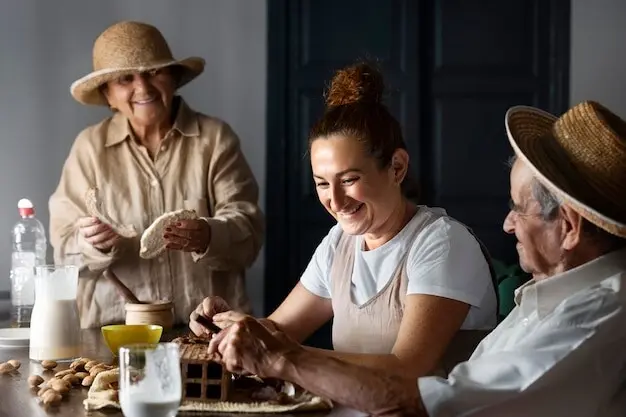
Every mile is indexed by people, not milestones. Gather oral histories with permission, share your reasons for traveling slowly, and offer prints when possible. Reciprocity builds trust, turning interviews into shared meals, then friendships that continue through postcards, translated messages, and return visits that honor place, patience, and evolving understanding.

Practical Pathcraft for Unhurried Journeys
Build itineraries around recovery, not accumulation. Mix walking, regional trains, barges, and bicycles, allowing room for weather, paperwork, and celebrations. Choose gear durable enough to repair locally. Practice language basics, carry spare passport photos, and remember that kindness, printed copies, and time cushions often resolve problems faster than gadgets ever can.

Packing Light Without Losing Warmth or Wonder

A layered system, small repair kit, and compact field notebook beat heavy wardrobes and complicated tech. Prioritize natural fibers, a sun hat, and a scarf that doubles as temple cover or sling. Learn to launder nightly, borrow tools gracefully, and trade saved weight for generous water, curiosity, and locally baked bread.

Visas, Vistas, and the Gift of Waiting

Consulate lines and border offices can become classrooms for patience and micro-culture. Bring printed confirmations, extra photographs, and snacks to share. While officials shuffle papers, study timetables, ask for regional train advice, and schedule a museum afternoon, turning bureaucracy into quiet space where routes reroute themselves more wisely around you.

Shared Transport and Shared Respect

Choose community boats, songthaews, and marshrutkas when feasible, listening for local etiquette about seats, shoes, and luggage. Pay fairly, thank generously, and offer your place to elders. Shared rides become portable classrooms that align budget, carbon sense, and belonging, proving movement matters less than the relationships you transport carefully.

Senses as Compass: Taste, Sound, Texture

Flavors That Tell You Where You Stand

From cumin-scented courtyards to cardamom harbors, ingredients chart latitude and lineage. Taste slowly, ask vendors about harvest routes, and document recipes gifted across thresholds. Cooking what you learned later extends the journey homeward, feeding neighbors while preserving stories, proportions, and the grateful silence that follows a bowl shared without hurry.

Listening for History Between Engine Idles

Modern motors pause. Use those moments to notice bells, nets slapping gunwales, prayer calls, and the whisper of market awnings. Record brief clips, annotate locations, and later align sounds with maps, rebuilding routes as symphonies that teach you when to linger, when to thank, and when to step quietly.

Hands Remember What Maps Forget

Handle wool, ceramics, ropes, and oars until textures begin telling weather, season, and origin. Local mentors may guide your touch, correcting guesses with laughter. These lessons live in fingertips, allowing future choices guided by feel, not just coordinates, and grounding decisions in humility rather than itinerary algorithms or ratings.

Design Your Own Slow Itinerary

Start with one corridor—perhaps a river reach, mountain pass, or coastal chain—then budget more days than distance demands. Commit to moving under your own power at least half the time. Share intentions publicly for accountability, invite advice from locals, and report back afterward so our community can iterate together, wisely.
Kentovaronaritelimirasano
Privacy Overview

This website uses cookies so that we can provide you with the best user experience possible. Cookie information is stored in your browser and performs functions such as recognising you when you return to our website and helping our team to understand which sections of the website you find most interesting and useful.