
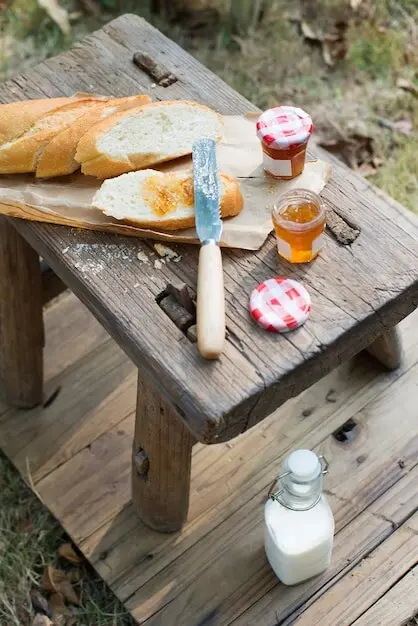
Identification with Humility and Care
Cross-check wild carrot against hemlock, study sorrel’s distinct tang, and compare sugar kelp’s firm midrib to looser greens. Use multiple sources, confirm with mentors, and taste only when completely sure. Heavy metals and runoff matter; choose pristine coves and uplands. Curiosity flourishes alongside caution, keeping kitchens adventurous yet safe, and turning learning into steady, confident practice.
Knowing the Lines: Rights, Etiquette, and Respect
Ask permission on private pastures, honor indigenous knowledge and closed areas, and follow seaweed harvest regulations that protect regrowth. Cut above holdfasts, avoid trampling, and tread lightly on moss and eelgrass beds. Pack out litter, record observations for local stewards, and teach companions the same. Responsible foraging strengthens community trust and ensures future harvests remain generous.
Tools that Keep Hands Dry and Baskets Happy
Bring a small knife, pruning shears, breathable waders, linen sacks, and a rigid basket that protects tender fronds. Add a tide chart, topographic map, headlamp, and whistle. Reusable containers separate salty greens from delicate blossoms. A thermos, a pencil, and patient shoes finish the kit, turning outings into calm, prepared, quietly celebratory rituals worth repeating thoughtfully.